

A wet welly by the door, a tinny radio playing breakfast tunes and someone trying to reverse into a pitch while the children offer wildly unhelpful directions. UK breaks can be brilliant, but when it comes to glamping pods versus motorhomes, the sort of holiday you want matters more than the roof over your head. Are you after the freedom to roam, or a ready-made base where the fun starts before you have unpacked the biscuits?
Both can beat a standard hotel room for fresh air, family time and a proper change of scene. But they create very different weekends. One gives you the keys to the open road. The other lets you arrive, settle in and get straight on with the good bits.
Glamping Pods Versus Motorhomes: The Big Difference
A glamping pod is a fixed holiday hideaway. You book it, turn up, park nearby and make yourself at home. Depending on where you stay, it may have proper beds, heating, a kitchenette, a private bathroom and thoughtful extras that remove the usual camping palaver. It is camping’s cosier, less canvas-heavy cousin.
A motorhome is both your accommodation and your transport. That is its superpower. You can wake up near a beach one morning and, subject to pitches, driving time and a little planning, be somewhere completely different the next. For travellers who see the journey as part of the adventure, that flexibility is hard to beat.
The trade-off is simple: motorhome holidays demand more decisions. You need to consider hiring or owning the vehicle, insurance, route planning, fuel, parking, campsite rules, water, waste and whether that charming-looking lane is actually wide enough. A pod asks far less of you. Arrive, put the kettle on, choose who gets the good bunk.
Choose a Motorhome If You Want to Keep Moving
Motorhomes suit restless explorers. If your dream break involves touring Cornwall, hopping between national parks or chasing the best weather forecast across the South West, having your bed on wheels is genuinely useful. You are not tied to one postcode, and there is a lovely sense of self-sufficiency in carrying your holiday with you.
They can also make financial sense for some families, particularly on longer trips where hotel rooms would add up quickly. Cooking your own meals and avoiding daily check-ins can keep a multi-stop adventure manageable. For experienced campers, the familiar rhythms of filling tanks, setting up on a pitch and packing down may be part of the appeal rather than a chore.
That said, “go anywhere” is not quite the same as “park anywhere”. Overnight parking restrictions, busy campsites and tight village streets can take some of the spontaneous shine off the plan. Once you have parked up, nipping to the pub or beach can mean packing everything away or relying on bikes, taxis or public transport. A motorhome is wonderfully liberating until you need a pint of milk and the nearest shop is three miles down a single-track road.
Choose a Glamping Pod If the Stay Is the Event
Glamping pods are made for people who want the outdoors without turning into a part-time logistics manager. You have a fixed base, familiar surroundings and, usually, more space to relax once you are there. Families can let children explore the site, couples can settle into slow mornings, and groups can actually spend time together rather than debating the next service station.
The best pods also bring a sense of place. You are not simply sleeping near the countryside. You are staying somewhere designed to be part of the story: tucked among trees, overlooking fields or filled with details that make people reach for their phone before they have taken their coat off.
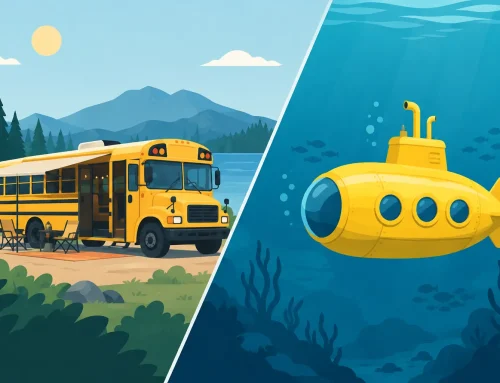
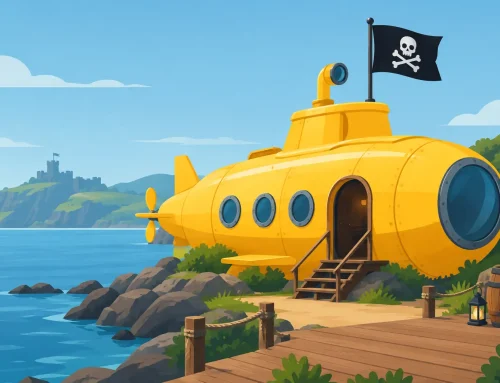
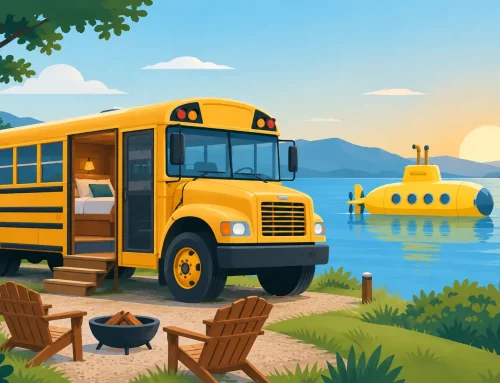
This is where ordinary pods and characterful glamping part ways. A plain wooden pod can be comfortable, certainly, but it may not feel wildly different from a compact holiday cabin. A themed stay has more mischief in it. At American School Bus Glamping, for example, converted yellow school buses and a Yellow Submarine turn the accommodation into the headline act. It is less “where shall we sleep?” and more “remember that time we slept in a bus?”
For birthdays, reunions, first family getaways and couple’s breaks that need more sparkle than a beige cottage, that difference counts. The photos are fun, but the bigger win is the shared memory. Nobody reminisces about a perfectly adequate lampshade.
Comfort, Space and the Weather Question
British weather has a cheeky habit of testing a holiday’s credentials. A motorhome provides shelter, heating and a dry place for a board game, but interior space can feel snug quickly, especially with children, damp coats and a dog that believes every seat is theirs. Storage is clever rather than generous. You learn to pack with military precision.
Glamping accommodation varies enormously, so check what is included. Some pods are basic shells with shared facilities nearby. Others offer hotel-style beds, proper cooking equipment, bathrooms and enough room to spend a rainy afternoon without everyone becoming slightly feral.
A fixed site can have another comfort advantage: communal amenities. Think fire pits, play areas, showers, hot tubs, saunas or spaces where the grown-ups can have a quiet coffee while the children make new friends. In a motorhome, your facilities travel with you, but they are limited by what fits inside.
There is no universal winner here. A couple touring in a well-equipped motorhome may find it gloriously cosy. A family of five on a rainy bank holiday may prefer a larger glamping space and somewhere safe to burn off the energy of three packets of squashy sweets.
What About Cost?
Motorhome costs are often more layered than first expected. Hiring involves the daily rate, deposit, insurance terms, fuel and potentially mileage limits. Then come campsite fees, optional extras, parking charges and the occasional unexpected expense, such as a badly judged low branch or a sat-nav route that has ideas above its station.
Owning one brings maintenance, storage, servicing and depreciation into the picture. It can be brilliant value if you use it regularly, but it is not a cheap shortcut to endless holidays.
Glamping is usually simpler to price. You pay for the stay, choose any extras and know where you stand. A themed break may cost more than a no-frills campsite pitch, but it can also replace several separate spends: accommodation, entertainment and that hard-to-define feeling of doing something special. If you are booking a two- or three-night escape, simplicity has a value all of its own.
The key is to compare like with like. A bare campsite pitch is not the same experience as a fully equipped glamping stay. Nor is a budget campervan equivalent to a motorhome with a shower, heating and a proper kitchen. Decide whether you are buying mileage, comfort, novelty or time together, then work backwards.
The Best Choice for Families, Couples and Groups
For families, glamping often wins when ease is the priority. Children have a memorable base, parents have fewer moving parts, and no one needs to spend the first hour of the holiday learning where the waste cassette lives. Look for places with safe outdoor space and enough sleeping room that bedtime does not become a hostage negotiation.
For couples, it comes down to mood. A motorhome is brilliant for a free-spirited road trip with coastal stops and sunrise walks. A pod is stronger when you want to arrive somewhere lovely, switch off and enjoy a little comfort without a checklist. Add a hot tub, sauna or a fire under the stars and the romance largely organises itself.
For friendship groups, a fixed glamping site usually makes the social side easier. Everyone can gather outside, cook, chat and laugh without being folded into a narrow vehicle aisle. Motorhomes work better when the group is small, flexible and united by an unusual enthusiasm for route planning.
So, Pod or Motorhome?
Choose a motorhome if movement is the main attraction and you enjoy the practical side of travelling. Choose a glamping pod if you want a comfortable, character-packed base where the holiday begins the moment you open the door.
The best short breaks are not measured by how many miles you cover. They are measured in muddy shoes, late-night giggles, silly photographs and the stories that are still being told at Sunday lunch months later. Pick the stay that gives your people more of those.