
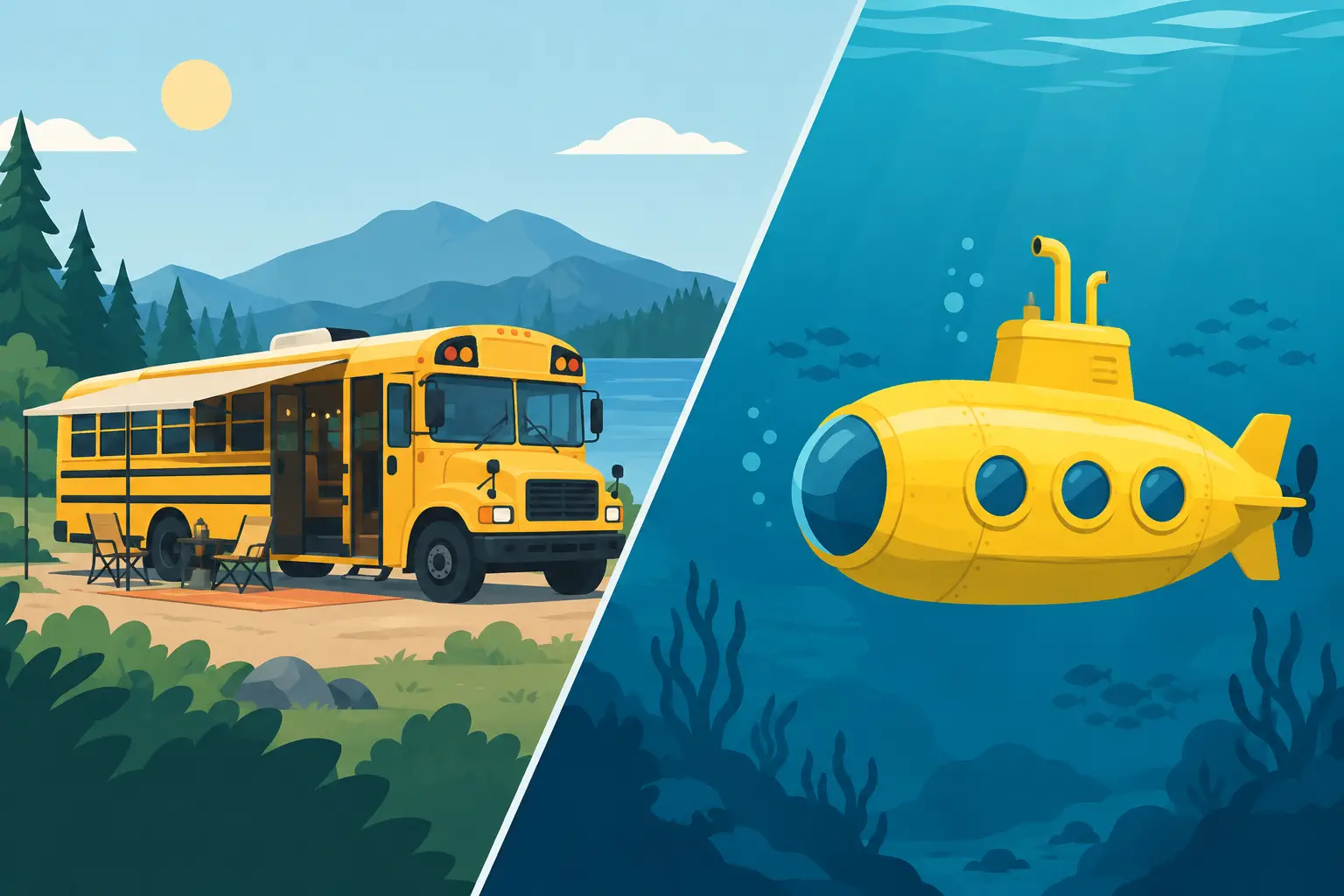
You can tell a lot about a holiday by its first ten minutes. Are you wrestling with tent poles in sideways rain, hunting for a missing peg and trying not to call your partner “unhelpful”? Or are you putting the kettle on inside a gloriously bonkers converted bus while the kids claim their bunks? That is the real heart of any glamping camping comparison: not whether one is more outdoorsy, but what sort of memories you want to take home.
Camping has a loyal following for good reason. It is simple, affordable and brilliantly close to nature. But glamping brings the fresh-air magic without asking you to sleep on what feels like a crumpled packet of crisps. For families, couples and friendship groups looking for a UK escape with a bit more story behind it, the difference can be rather enormous.
Glamping camping comparison: start with the morning
Traditional camping starts with a tent, sleeping bags, a camping stove and a fair amount of optimism. You bring the lot, put it up yourself and make peace with the fact that weather has a starring role in your weekend. For some people, that is exactly the appeal. There is a satisfying, back-to-basics feeling in making a little home under canvas.
Glamping still puts you among fields, birdsong, stargazing and muddy boots, but the accommodation has already done the hard work. Think proper beds, a weatherproof roof, electricity, somewhere to sit, and space that does not disappear the moment everyone unzips a bag.
The morning tells the story best. In a tent, you may wake at 5.12am because a blackbird has decided to audition directly above your head. You will then conduct the familiar chilly dash to the loo and attempt breakfast while balancing a saucepan on a tiny burner. It can be lovely. It can also be less lovely after a wet night with two small children and a deflated air bed.
In a glamping stay, you still wake to the countryside, but you can make a proper brew, get dressed without performing a one-legged changing routine, and begin the day feeling vaguely human. That extra comfort is not about removing the outdoors. It is about enjoying it with more enthusiasm.
Comfort is not cheating
There is a strange idea that a holiday only counts as camping if you have suffered at least a little. We disagree. You can adore campfires, woodland walks and eating marshmallows slightly too close to the flames while also appreciating a mattress that does not squeak every time you breathe.
Glamping usually means a furnished place to sleep, often with heating, lighting and thoughtful touches that make a short break feel easy. Depending on the site, there may be private facilities or well-kept communal amenities, plus treats such as hot tubs, saunas or ice baths. That can turn a one-night escape into a proper reset rather than an expedition requiring a packing spreadsheet.
Camping has advantages here too. A tent lets you choose a pitch with minimal fuss, keep things stripped back and feel truly tucked into the landscape. If your dream is to carry everything in the boot, wake up with the sun and spend almost nothing indoors, camping will always have its place.
The deciding question is simple: do you want your accommodation to be a practical base, or part of the entertainment? A standard tent is mostly the former. A themed glamping stay can be the thing everyone talks about before they have even reached the pub.
What you pack changes everything
The biggest practical difference in a glamping camping comparison is not glamour. It is luggage.
For camping, you need to consider the tent, groundsheet, mallet, pegs, sleeping bags, pillows, chairs, cooking kit, cool box, torches, spare batteries, waterproofs and, somehow, still find room for snacks. Forget one essential item and the whole operation becomes less Bear Grylls and more “Could anyone lend us a can opener?”
Glamping removes much of that faff. You can arrive with clothes, food, walking boots, games and the bits that make the weekend yours. Families will appreciate this most. Less kit means less boot-space Tetris, fewer pre-departure arguments and more room for scooters, fancy dress or that enormous inflatable flamingo your child insists is non-negotiable.
It also makes spontaneous breaks more realistic. A glamping trip can suit a last-minute birthday surprise, a romantic weekend or a reunion with friends who would rather not spend Friday evening figuring out whose tent came with the missing pole.
Character matters more than people admit
A clean, comfortable place to sleep is useful. A place with a personality is memorable.
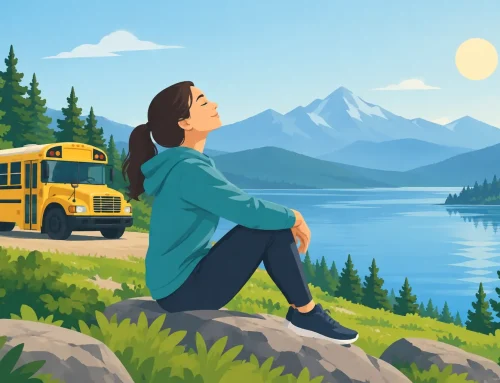
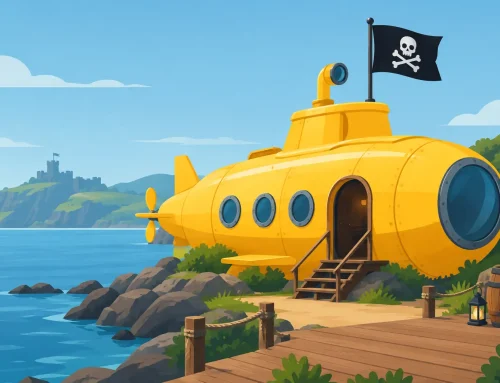
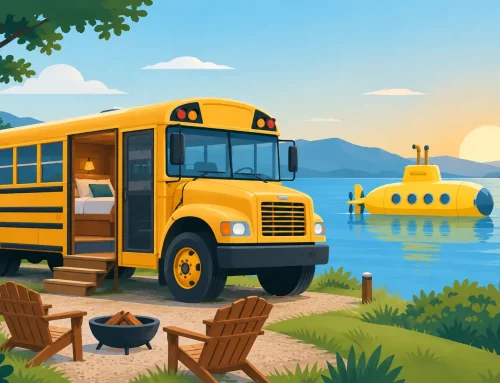
This is where distinctive glamping can leave ordinary accommodation in the dust. A converted American school bus or a bright Yellow Submarine is not just somewhere to put your heads down. It is a ready-made adventure. Children can play out a hundred imaginary stories before breakfast. Couples get a stay that feels playful rather than predictable. Groups have a setting that immediately puts everyone in holiday mode.
That does not mean every glamping break must be wildly themed. A peaceful shepherd’s hut, treehouse or yurt may be exactly right for someone seeking quiet. But if you are bored of beige holiday rentals and identikit pods, character is worth choosing deliberately. The best photos happen naturally when the place already has a point of view.
At American School Bus Glamping, the accommodation is designed to be part of the day out – bursting with fun, a tad bonkers and far more interesting than asking, “Which bedroom is mine?”
Cost: cheaper is not always better value
Camping is usually the budget-friendly winner at first glance. A pitch can cost considerably less than a glamping stay, particularly if you already own all the equipment and use it often. For seasoned campers, that value is hard to beat.
But it is worth looking at the whole weekend rather than just the nightly rate. Buying or replacing kit, paying for electric hook-ups, bringing bedding, arranging meals around limited cooking equipment and recovering from a terrible night’s sleep can all change the calculation. If rain sends you home early, the cheapest break can suddenly feel like poor value.
Glamping costs more because the bed, shelter, furnishings and setting are already there. In return, you are paying for ease, comfort and a stronger sense of occasion. For a couple splitting the cost, a family celebrating a birthday or friends sharing a larger space, it can make excellent sense.
The right choice depends on your priorities. If saving every penny is the mission, camp. If you have limited time and want the weekend to feel special from the moment you arrive, glamping earns its place.
Which works best for families, couples and groups?
Families often find glamping kinder on everyone. Younger children have room to settle, adults get a better chance of sleep, and a themed stay gives the whole trip an instant spark. You still have the freedom to roam, toast marshmallows and get properly muddy, but bedtime does not have to be a battle with zips, torches and damp pyjamas.
For couples, the choice is about mood. Camping can be wonderfully romantic if you both genuinely enjoy roughing it. Yet a quirky glamping space, a warm bed and perhaps a soak in a hot tub create room to relax, chat and enjoy each other’s company without worrying whether the tent will survive the wind.
Friendship groups should think about shared space and weather-proof plans. A tent-only weekend can be fabulous in sunshine, but several people packed into small sleeping compartments gets old quickly during a downpour. A glamping base gives you somewhere to play cards, share food, laugh until late and keep the fun going when British weather does its unpredictable little dance.
When traditional camping is absolutely the right call
Glamping is not here to cancel camping. Sometimes the tent is the point.
Choose traditional camping if you love setting up camp, want to travel light on your budget, are heading somewhere remote, or crave the stripped-back feeling of living outdoors for a few days. It is especially rewarding when you have dependable kit, fair weather and a group of people who find minor inconveniences part of the fun.
Choose glamping when you want the countryside without the admin, when the accommodation needs to delight as much as it shelters, or when comfort will make the difference between “never again” and “when can we come back?” There is no prize for pretending you enjoyed a soggy sleeping bag.
For your next break, picture the moment everyone arrives. If the thought of opening a tent bag makes you sigh, choose a stay with a bed, a kettle and a story. Then save your adventurous energy for the good bits: the campfire, the countryside and the wonderfully silly photographs you will still be sharing months later.