
A good family glamping site review should tell you far more than whether the beds were comfy and the view was pretty. Families need the useful bits: whether bedtime becomes a battle, if little ones have room to burn off steam, how far the loo really is, and whether the whole trip feels like an adventure rather than camping with extra admin.
The best family breaks are not polished into perfection. They are full of muddy trainers, card games that get unexpectedly competitive, toasted marshmallows and the delighted noise children make when they spot something properly bonkers. But a memorable stay still needs the basics to work. Here is how to read between the lines before booking.
What a family glamping site review should reveal
A review that simply says “lovely stay” is nice, but it does not answer the questions parents actually have. Look for detail about the accommodation itself, the shared areas and how the site feels once the novelty of arrival has worn off.
Start with sleeping arrangements. A family-sized space can mean many things, from a generously laid-out lodge to a compact hideaway where everyone needs to shuffle sideways to reach the kettle. Neither is automatically wrong. A smaller converted vehicle or themed stay can be part of the fun, especially for a short break, but it needs to suit your crew. Families with babies may value room for a travel cot; those with older children may prefer proper separate sleeping zones and somewhere to disappear with a book after breakfast.
Good reviews often mention the tiny practical details: blackout blinds, heating, somewhere to hang damp coats, a usable fridge and enough charging points for the devices that will, despite everyone’s best intentions, come along. These are the unglamorous heroes of a relaxed getaway.
Check the age of the children in the review
A glowing review from parents of a two-year-old does not necessarily tell you how a ten-year-old or teenager will feel. Younger children tend to be thrilled by a bunk bed, a woodland wander and the chance to eat breakfast outdoors in their pyjamas. Older children may need more independence, more space and a little more to do than being told to admire the scenery.
Look for reviewers whose family setup resembles yours. Notice whether they mention rainy-day plans, nearby activities or communal facilities that kept children happily occupied. If several parents say their children did not want to leave, that is usually a better signal than a polished photo of an empty deckchair.
Comfort is not the enemy of adventure
Traditional camping has its devoted fans, but attempting to pitch a tent in sideways rain while someone asks for a snack every 45 seconds is not everybody’s idea of a restorative weekend. Glamping earns its keep by keeping the adventure and removing some of the faff.
In reviews, look beyond the word “luxury”. It is used generously. Ask what comfort looks like in practice. Is there a proper mattress rather than a thin pad? Does the accommodation stay warm after the sun drops? Are showers clean and close enough for a midnight toilet dash? Is there hot water when several families are using the site?
The trade-off is part of the charm. A rural site may have uneven ground, birds making a racket at dawn and limited phone signal. For many families, that is exactly the point. Yet a site should be upfront about access, parking, shared amenities and anything that could make life harder for pushchairs, mobility needs or a car packed to the roof with holiday gear.
The magic is in the setting, not just the bed
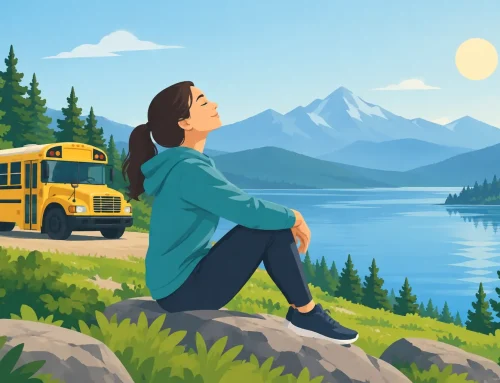
A family glamping break works best when the accommodation gives everyone something to talk about before they have even unpacked. Standard pods can be perfectly pleasant, but they rarely prompt a child to announce that they are sleeping in a bus, a submarine or a completely yellow piece of holiday nonsense.
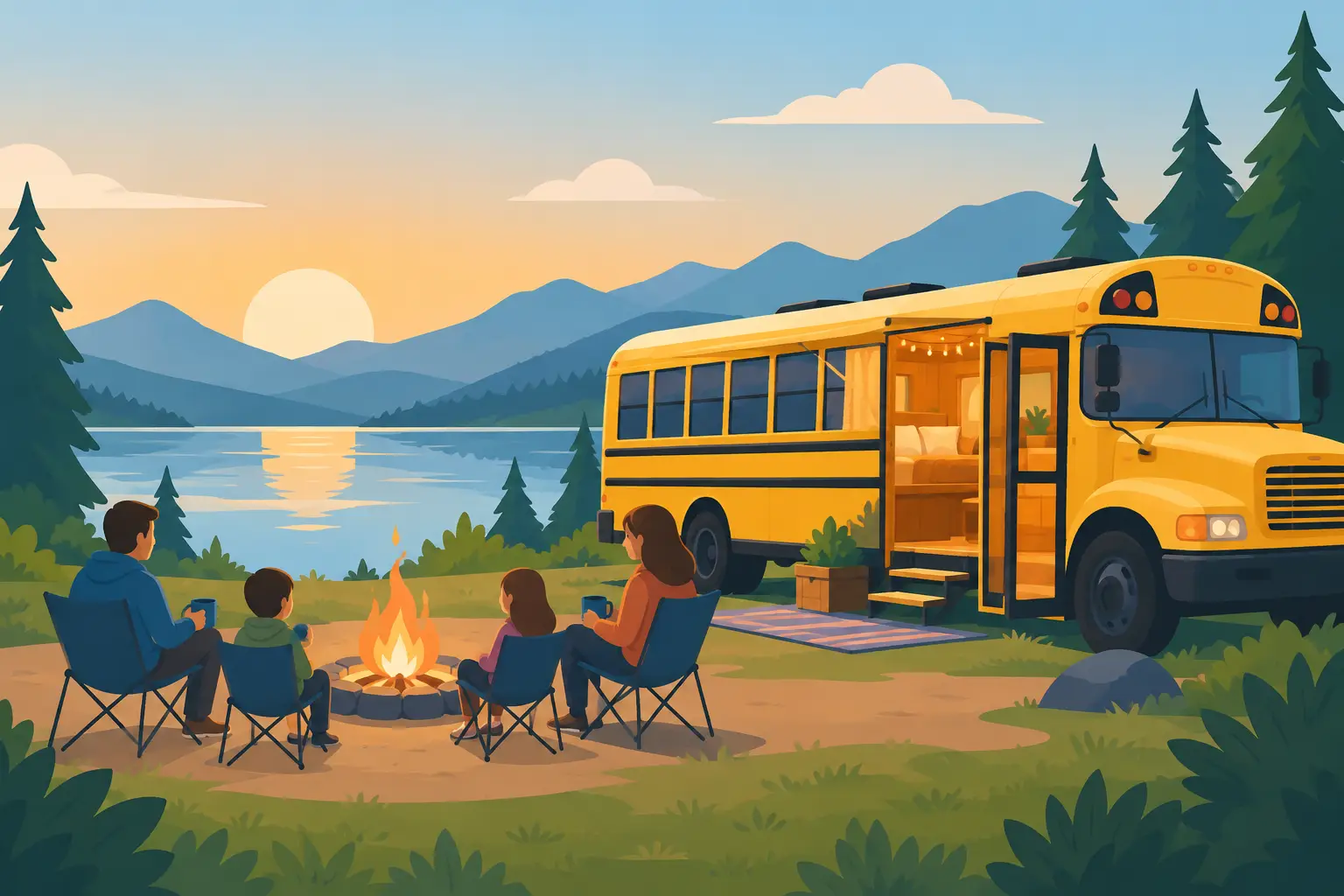
That sense of theatre matters. A stay inside a converted American school bus, for example, turns bedtime into part of the story. It gives families a shared joke, a brilliant photo opportunity and a reason to swap the usual Saturday routine for something gloriously different. American School Bus Glamping leans into this with themed spaces that are bursting with character, because the accommodation should never feel like a place you merely return to after a day out.
Still, theme alone is not enough. Reviews should make clear whether there is space to sit together, cook something simple, eat outside and enjoy the surroundings. A wildly photogenic stay that is awkward to live in can lose its shine by the second morning. The sweet spot is character with creature comforts.
Read reviews for the moments between activities
The strongest reviews describe the bits that do not appear on a booking checklist. Perhaps the children made friends by the firepit, the family used the sauna after a soggy walk, or everyone watched the sky turn pink while supper sizzled. Those details reveal the rhythm of the site.
Communal areas can make or break a family trip. A well-kept shower block, sheltered seating, open space for a kickabout and a welcoming atmosphere give parents breathing room. Premium extras such as hot tubs, saunas and ice baths may be worth it for adults travelling with older children or as part of a group stay. For a young family, however, easy access to facilities and a safe space to play may matter more than any wellness add-on.
Read comments about hosts, too. You are not looking for constant hand-holding. You are looking for people who are easy to contact, clear about arrival and happy to help if a small problem crops up. The best hospitality feels friendly without hovering.
Do not ignore the less-than-perfect comments
A useful review is honest about the quirks. Maybe the track to the site is narrow, the accommodation is compact, or the nearest shop is a drive away. These points are not necessarily red flags. They simply help you pack well and set expectations.
What matters is the pattern. One guest may dislike birdsong at sunrise. Ten guests mentioning dirty facilities, unclear check-in instructions or cold accommodation is something else entirely. Read the owner’s response where available. A calm, practical reply tells you more than a stream of star ratings ever could.
Questions worth answering before you book
Before clicking book, make sure you can answer a few basics. How private is the space? Are children welcome at the facilities you want to use? What happens if the weather turns? Is there a kitchen setup that suits your plans, or should you bring easy meals? And, crucially, will the journey there and first hour after arrival feel manageable with your family in tow?
It also pays to think about your own version of a brilliant break. If you want peace, choose a site where quiet evenings are part of the culture. If your children thrive around other people, communal firepits and shared spaces can be a gift. If your family likes to pack every day with excursions, choose a memorable base that makes coming back feel like another activity rather than the end of the fun.
A family glamping holiday does not need to be flawless to become a favourite. It just needs enough comfort for everyone to relax, enough character to make ordinary moments feel special, and enough room for the stories that will start with: “Remember when we slept in that…?”