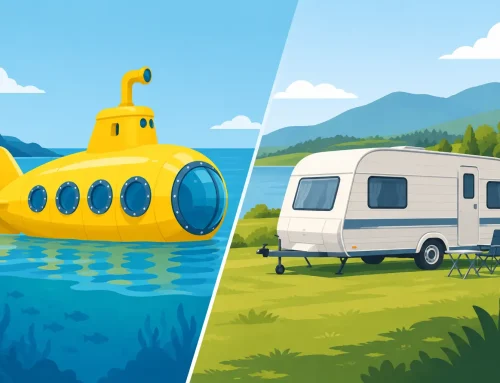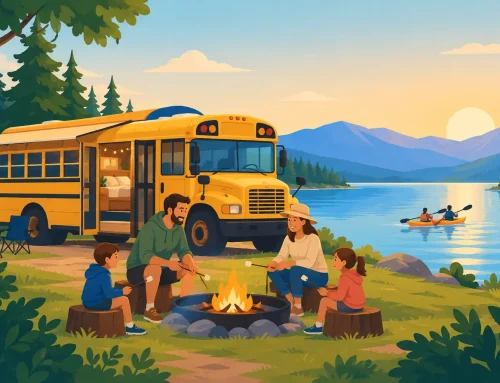

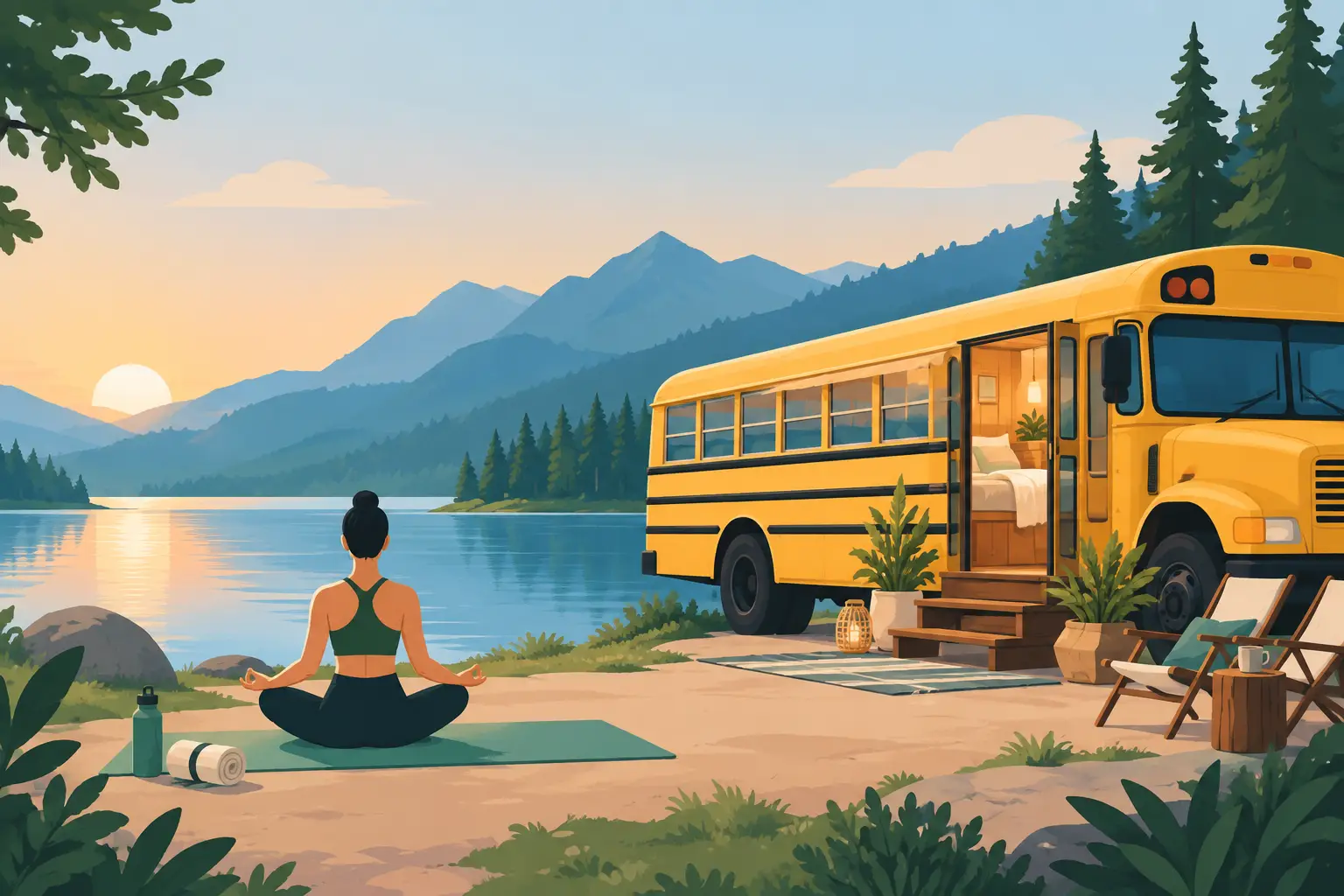
A wellness break no longer has to mean whispering in a beige spa lounge while someone rearranges your chakras. The most exciting glamping wellness travel trends are much more human: a crackling fire, a ridiculously good night’s sleep, a proper laugh with your favourite people, and a soak under a sky that has not been blocked by a city roof.
For families, couples and friendship groups, the appeal is obvious. We are all a bit tired of holidays that require military-level planning or accommodation so bland you could be anywhere. Wellness is becoming less about following a strict retreat timetable and more about feeling like yourself again – ideally somewhere wonderfully bonkers, comfortable and very much not your everyday four walls.
Glamping wellness travel trends are getting more playful
The old picture of wellness travel was often a little serious. Early yoga at sunrise. Green juice at 7am. A pointed look if you fancied a bacon sandwich. That still suits some people, and fair play to them. But a growing number of UK travellers want their restorative break with a side of personality.
That is where glamping comes into its own. It keeps the parts of the great outdoors that actually make people feel better – space, fresh air, slower mornings and muddy-boots adventures – while leaving behind the damp sleeping bag, the deflated airbed and the midnight hunt for a torch.
The best stays make the accommodation part of the story. A converted vehicle, a themed hideaway or a cabin with real character gives everyone something to talk about before they have even unpacked. It is not just somewhere to sleep between activities. It is the activity. That matters when time away is short and expectations are high.
The new luxury is permission to switch off
Wellness used to be sold as a long list of treatments. Now it is increasingly about permission. Permission to put the phone down, let the children run about outside, take a long bath without checking the time, or sit quietly with a mug of tea while someone else handles breakfast.
A hot tub, sauna or ice bath can be brilliant additions, but they are not magic buttons. Their real value is the ritual around them. You change pace. You put on a robe. You step outside. You notice the temperature, the birds, the stars and the fact that nobody is asking whether you have replied to that email.
For a couple, that might mean a peaceful soak after a walk. For a group of friends, it could mean a slightly chaotic sauna session followed by a cold plunge and lots of bragging. For families, it may simply mean parents getting ten quiet minutes while the little ones are happily worn out from a day outdoors. Wellness looks different depending on who is climbing aboard.
Why shared experiences beat solo self-care
There is a reason communal wellness is having a moment. People are not just booking breaks to rest; they are booking them to reconnect. After years of screens, schedules and everyone being in the same house but doing separate things, a shared escape has serious pulling power.
A memorable setting helps break the usual pattern. When you are staying somewhere delightfully unexpected, conversations happen more naturally. Children ask questions. Teenagers emerge from their headphones, at least briefly. Friends make plans over breakfast rather than scrolling in silence. Couples remember that being silly together is wildly underrated.
This is also why nostalgia is woven through so many successful glamping experiences. Familiar shapes, bright colours, retro touches and playful themes invite people to loosen up. You do not need a clinical wellness programme when the setting itself makes you grin.
At American School Bus Glamping, the idea is simple: stay somewhere with enough character to earn a place in the family photo album, then add the sort of outdoorsy, hot-tub-and-firepit moments that make everyone forget what day it is. That is a far more useful definition of luxury than a bowl of decorative pebbles in reception.
Micro-retreats fit real lives
Another major shift is the rise of the short wellness break. Not everyone can disappear for a week to a far-flung retreat, and frankly, a two-night escape can do plenty when it is done well. Somerset and Devon are ideal for this kind of reset: close enough for a manageable journey, scenic enough to feel properly away, and packed with reasons to get outside.
A successful micro-retreat needs very little fuss. Arrive, settle in, make something tasty, explore locally, warm up in the hot tub or sauna, sleep deeply and wake up with nowhere urgent to be. It sounds almost too simple, but that is the point. The fewer decisions guests have to make, the more room there is for the good stuff.
There is a trade-off, of course. A one-night stay can feel rushed if you try to squeeze in every possible activity. Two or three nights usually gives the experience room to breathe. Leave a little blank space in the plan. You may be surprised how often that becomes the best bit.
Nature, but with a mattress that means business
Comfort is not the enemy of the outdoors. In fact, it is what makes nature breaks work for people who would never willingly wrestle with a tent pole in sideways rain.
Today’s glamping guests expect warmth, proper beds, thoughtful facilities and a space that feels looked after. They also want the sensory perks of being outside: morning light, birdsong, woodsmoke, cool air and the kind of darkness that makes the stars look as if someone has turned the brightness up.
That blend is especially useful for multigenerational trips. Grandparents may want a comfortable base. Parents want easy facilities and children kept entertained. The children, meanwhile, generally want somewhere that feels like an adventure before anyone has suggested a walk. Character-led glamping can tick all three boxes without making the adults feel like unpaid holiday logistics managers.
Wellness does not need to be worthy
The biggest lesson behind these trends is that wellbeing is personal. For one person, it is breathwork and an early night. For another, it is a barbecue, a belly laugh and a late-night singalong by the fire. Neither needs defending.
The most restorative trips tend to combine a little intention with plenty of freedom. Book the add-on that genuinely excites you. Pack layers, swimwear and shoes you do not mind getting muddy. Bring food that feels like a treat but does not require a spreadsheet to prepare. Most importantly, resist the urge to turn relaxation into another project.
A good glamping break should leave you with more than a few lovely photos. It should give you that pleasantly scruffy, well-rested feeling of having lived a little differently for a few days. Find a place with personality, make room for fresh air and together-time, and let the schedule be gloriously loose. Your nervous system may not know what a Yellow Submarine is, but it will probably approve.