

A hotel room can be a perfectly lovely place to sleep. Crisp sheets, a tidy bathroom, perhaps a small kettle doing its best in the corner. But when the question is glamping or hotel break, the real choice is not simply where you put your head down. It is whether the accommodation is the pause button between activities, or one of the best bits of the holiday itself.
For families, couples and friendship groups who are a bit bored of beige rooms and identical corridors, that difference matters. One gives you familiarity. The other gives you the sort of arrival that has everyone grabbing their phone before they have even unpacked the biscuits.
Glamping or hotel break: what are you really booking?
Hotels are built around convenience. You arrive, check in, find your room number and usually know exactly what you are getting. That predictability can be brilliant for a one-night city stay, a work trip or a weekend when all you want is to be near a restaurant, theatre or station.
Glamping is built around a change of scene. It keeps the good bits of being outdoors – fresh air, a slower pace, muddy boots by the door and evenings that stretch beyond the television – while leaving behind the wrestling match with tent poles, damp sleeping bags and the dreaded 4am airbed deflation.
The best glamping stays also have a personality. You are not just booking four walls and a bed. You are booking a setting for board games, giggles, late-night chats, birthday surprises and the kind of silly family photo that ends up on the fridge for years.
That does not mean a hotel break is somehow boring by default. A grand country-house hotel, a spa escape or a brilliant coastal boutique stay can feel special. But if your group is craving novelty, privacy and something to talk about before you have even left the car park, glamping has a head start.
When a hotel break wins
Let us give hotels their due. They are often the sensible choice when the location is the main event. If you are catching an early train, seeing a show, attending a wedding or planning to spend every waking hour exploring a city, a central hotel can make life wonderfully easy.
Hotels also suit guests who want service close at hand. Breakfast prepared for you, someone else making the bed, a bar downstairs and reception to call if you have forgotten toothpaste are all very welcome luxuries. For a quick reset with minimal planning, that can be exactly right.
There is also a particular joy in a grown-up hotel night away. Get dressed up, have dinner somewhere lovely, return to a room with no washing-up in sight and leave after breakfast. No firewood, no weather chat, no wondering whether the children have brought enough socks. Bliss.
The trade-off is that hotel stays can feel a little separate from one another. Unless the destination itself is spectacular, it is easy to come home with a pleasant memory rather than a proper tale. You may remember the restaurant. You may not remember room 214.
Why glamping feels like a bigger escape
Glamping is for people who want their weekend to have a plot. There is a small but mighty thrill in pulling up somewhere unexpected, opening a door that looks nothing like your front door, and deciding who gets which bunk before anyone has located the kettle.
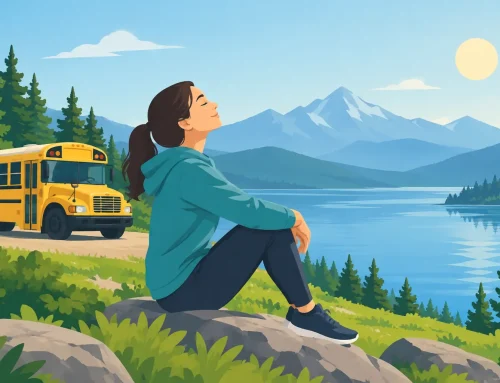
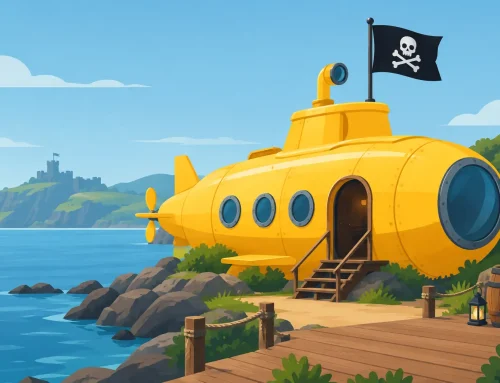
At American School Bus Glamping, for example, a converted American school bus or a bright Yellow Submarine turns the simple act of arriving into an event. Children do not need persuading to go on holiday when they are sleeping in something that looks ready to roll into a film set. Couples get a getaway with more character than another neutral-toned suite. Groups get a base that feels made for shared jokes, snacks and spectacularly competitive card games.
That is the real magic of themed glamping. It gives everyone something to join in with. Teenagers who might be hard to impress have a new backdrop. Younger children can invent a whole adventure before tea. Adults get to stop pretending they are above a little bit of novelty.
And then there is the outdoors. A glamping break makes it easier to notice the day changing: the first brew in the morning air, a walk that starts straight from your doorstep, the glow of lights as the evening settles in. You can spend the afternoon exploring Somerset or Devon, then return to a space that still feels like part of the adventure rather than a generic place to recharge your phone.
Comfort is not the same as sameness
Some people hear “glamping” and picture a chilly canvas tent, a torch with dying batteries and a long midnight stomp to a toilet block. Fair enough. Traditional camping has earned its reputation for making ordinary tasks oddly athletic.
But proper glamping is not about suffering for the sake of a scenic Instagram post. It is about keeping comfort in the plan. A warm, well-designed space, proper beds, useful facilities and the freedom to enjoy the outdoors without becoming wildly familiar with every British weather forecast.
For many guests, that balance is the deciding factor. You can make breakfast, settle in with a book, keep the children entertained and sleep comfortably, while still waking up somewhere that feels far removed from daily routines. Add a hot tub, sauna or ice bath to the mix and the escape can lean as restorative or as ridiculous as you fancy. The ice bath is optional. Bragging about it afterwards, apparently, is not.
A hotel may offer more formal polish. Glamping offers a different kind of comfort: the comfort of having your own little world, with room to be yourselves. You are less likely to whisper in a corridor or worry about the children being too excited at breakfast. In the right glamping setting, excited is rather the point.
Think about who is coming with you
The best answer to “glamping or hotel break?” often depends on the people in the car.
For a couple, a hotel can be ideal if romance means cocktails, room service and not lifting a finger. Glamping tends to win when romance means privacy, a starry evening, a hot tub and waking up somewhere delightfully out of the ordinary. Neither is wrong. One is polished; the other is a little more playful.
For families, glamping often makes the holiday feel better value because the accommodation does some of the entertaining. A child may forget a perfectly nice hotel pool by next month. They are less likely to forget sleeping in a bus, pretending to captain a submarine or being allowed to stay up just a little later for toasted marshmallows and a family game.
For friends, consider the mood you want. If the plan is a glamorous meal and a late bar, choose the hotel. If the plan is to properly catch up, laugh loudly, cook together and spend time without everyone drifting off to separate rooms, a quirky glamping stay has serious pulling power.
The questions worth asking before you book
Rather than choosing by habit, ask what you want the break to do for you. Do you need to be in the centre of somewhere busy, or do you want to disappear into the countryside for a couple of days? Are you after service and a restaurant downstairs, or freedom to make your own plans? Is the accommodation simply somewhere to sleep, or do you want it to become part of the story?
Also be honest about your appetite for outdoorsy living. Glamping is gloriously easy compared with pitching a tent, but you are still choosing a countryside experience. Pack layers, bring footwear for wandering about and embrace the fact that a little fresh air tends to improve everybody’s mood. Usually. Even the teenager who claimed there was “nothing to do” five minutes before becoming chief fire-pit supervisor.
A hotel break is often the reliable answer. Glamping is the answer when reliable is not quite enough. If you are craving a few days with more colour, more laughs and a place that makes everyone look up from their screens, choose the stay that gives you something to remember before the holiday has even properly begun.