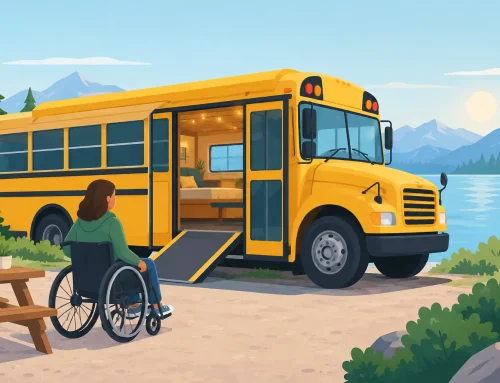

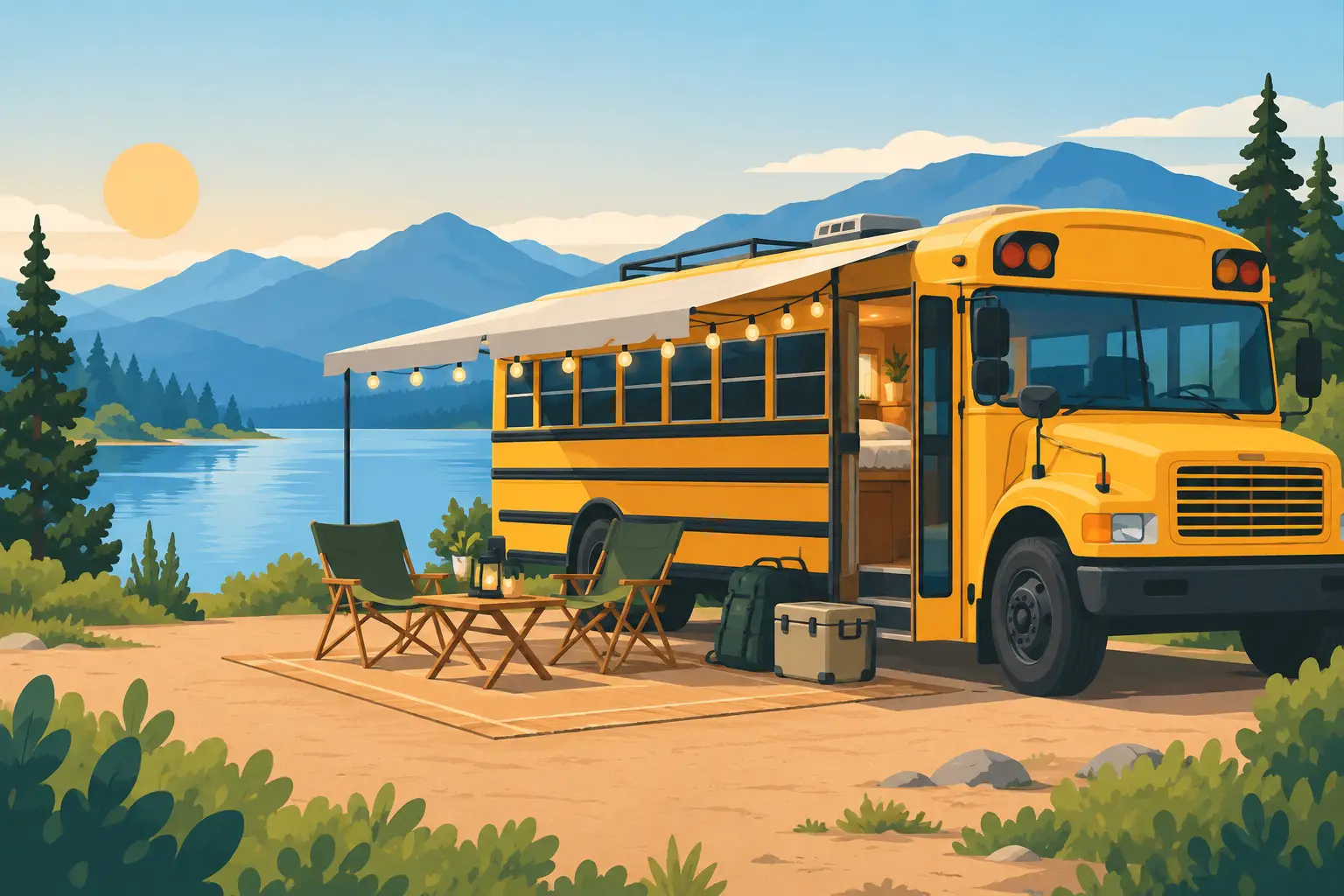
The forecast says sunshine, the children have already claimed the best bunk, and someone is practising their ‘we’re on a school bus!’ photo face. Now comes the small but mighty mission that decides whether your break feels brilliantly carefree or like a hunt for the one thing everyone forgot. This glamping packing checklist keeps your bags sensible, your snacks protected, and your adventure gloriously free of faff.
Glamping is not camping with a fancier name. You are arriving to real beds, shelter, character and plenty of comfort already waiting for you. That means you can leave the tent poles, groundsheet drama and survivalist packing at home. But Somerset and Devon weather can be wonderfully unpredictable, and a quirky stay deserves a few well-chosen extras.
The glamping packing checklist: start with the weather
The trick is to pack for a sunny field, a breezy evening and the very British possibility of both happening before lunch. Check the forecast close to departure, but do not treat it as a legally binding promise.
Bring comfortable clothes you can layer: T-shirts, a cosy jumper or fleece, and a lightweight waterproof jacket. Jeans are fine for a pub lunch, but they are slow to dry if a puddle has other plans. Leggings, joggers or walking trousers are often handier for exploring, lounging and chasing small people who have spotted a worm.
Shoes matter more than people think. Trainers are a strong all-rounder, while wellies or waterproof boots earn their place if the ground is damp, you plan to explore local footpaths, or the forecast is looking mischievous. Pop in a spare pair of socks too. Dry feet can rescue even the drizzliest afternoon.
In warm weather, add sun cream, sunglasses, hats and refillable water bottles. Even in spring or autumn, outdoor sunshine can catch you out when you are busy making memories rather than checking the clock.
Pack for the bits that make the stay yours
Your accommodation provides the proper comforts. Your job is to add the small things that turn a night away into your family’s or group’s particular kind of fun.
For couples, that might mean a favourite bottle, a playlist downloaded in advance, slippers, and something cosy to throw on after an evening outside. For a friends’ getaway, think snacks to share, cards, a good speaker used considerately, and perhaps one mildly competitive board game. For families, a soft toy, bedtime book and familiar pyjamas can make an exciting new sleeping space feel instantly safe.
Do not underestimate snacks. A hungry child on a holiday timetable is a creature of tremendous dramatic potential. Bring easy bits for the journey, breakfast favourites if you like a particular cereal or tea, and a few treats for the inevitable ‘can we have something nice?’ moment. Reusable containers are useful for picnics, leftovers and stopping biscuits from becoming crumbs with ambition.
If you are staying in a place with cooking facilities, plan one or two simple meals rather than arriving with a supermarket trolley’s worth of ingredients. Glamping is about spending time together, not attempting a three-course banquet in flip-flops. Check the details of your booking before you leave so you know what cookware, crockery and appliances are provided, then pack only what fills a genuine gap.
The little comfort kit
A compact bag with toiletries, medications, plasters, insect repellent and antihistamines is a sensible companion for any countryside break. Add hand sanitiser, tissues and a reusable bag for damp clothes or muddy shoes.
Bring chargers and a power bank, particularly if phones will be doing double duty as cameras, maps and entertainment on the drive. Yet it is worth putting them away now and then. The best photograph of a bright yellow bus, a spectacularly bonkers place to sleep or your child’s delighted face is excellent. Being there when it happens is better.
What to bring for a hot tub, sauna or ice bath
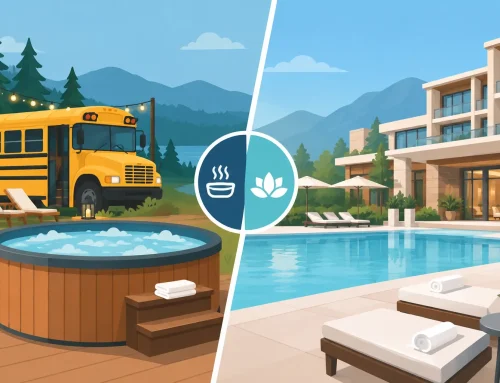
If your glamping break includes wellness extras, pack swimwear and at least one towel per person if towels are not supplied as part of your stay. A robe or oversized hoodie is a very good shout for the chilly dash between a hot tub and your accommodation. Flip-flops or pool sandals are useful, especially on wet decking or shared paths.
A refillable bottle is another quiet hero. Heat, fresh air and a long soak can leave you thirstier than expected. For an ice bath session, a warm layer for afterwards is non-negotiable. You do not need to arrive looking like an elite athlete, but dry socks, a warm top and a post-dip cuppa plan are extremely persuasive.
Leave glass containers out of your spa bag where possible. It is safer, simpler and means nobody has to become the responsible adult who spoils the bubbles by explaining broken-glass rules.
Entertainment that survives a rainy afternoon
Rain need not flatten the mood. It can make a bus stay feel even cosier, with rain tapping on the roof while everyone debates the rules of a card game. Pack a compact selection rather than the entire toy cupboard.
Good options include a pack of cards, a travel board game, colouring supplies, a few books, a puzzle, and downloaded films or programmes for later. Headphones can be helpful for children who need quiet downtime, or grown-ups whose idea of relaxation involves a podcast rather than a family quiz about dinosaurs.
For outdoor fun between showers, bring a football, frisbee, bubbles or a nature-spotting sheet. The best choice depends on your group and the space available, so keep it light and flexible. There is no prize for arriving with enough equipment to open a leisure centre.
For babies, children and teens
Young children usually need fewer things than parents expect, but the right few things matter. Pack weatherproof outer layers, spare clothes, a night light if they use one, and their usual sleep comfort. If they are toilet training, take more changes of clothes than your optimistic self thinks necessary.
Teens may insist they only need their phone, but a power bank, headphones, layers and a snack stash will prevent several entirely avoidable grumbles. Give them a role too: official photographer, fire-pit snack coordinator or playlist captain. A little ownership goes a long way.
What you can happily leave at home
Glamping is meant to make the outdoors more inviting, not turn your car boot into a game of Tetris. In most glamping stays, you can skip the tent, sleeping bags, camping stove, mallet, inflatable mattress and the mysterious bag of pegs that has lived in your shed since 2017.
Avoid overpacking clothes for every theoretical occasion. A couple of practical outfits, warm layers and something you feel good in are enough for a short stay. Leave precious items behind too. Countryside breaks are for muddy knees, toasted marshmallows, lazy breakfasts and spontaneous detours, not worrying about whether a designer handbag is touching the floor.
Before setting off, read your arrival information carefully. It will tell you about parking, check-in, what is included and any site-specific guidance. That five-minute read saves the sort of confusion that begins with ‘I thought you packed it’ and ends with everyone searching the boot in the rain.
A quick pre-departure check
The night before, charge devices, check the weather once more, put keys and booking details in one easy-to-find place, and load food last if it needs keeping cool. Keep waterproofs and snacks accessible rather than buried under the bags. You will thank yourself when hunger or a shower appears halfway down the motorway.
At American School Bus Glamping, the whole point is to trade ordinary for a stay with a story. Pack for comfort, bring a little weather wisdom, and leave plenty of space for the unexpected bits: the belly laughs, the muddy shoes, the late-night chats and the moment someone says, quite rightly, ‘Can we stay one more night?’