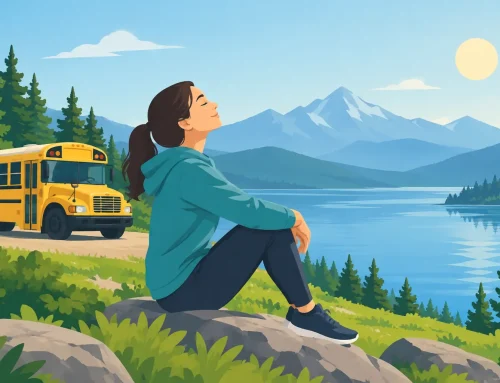

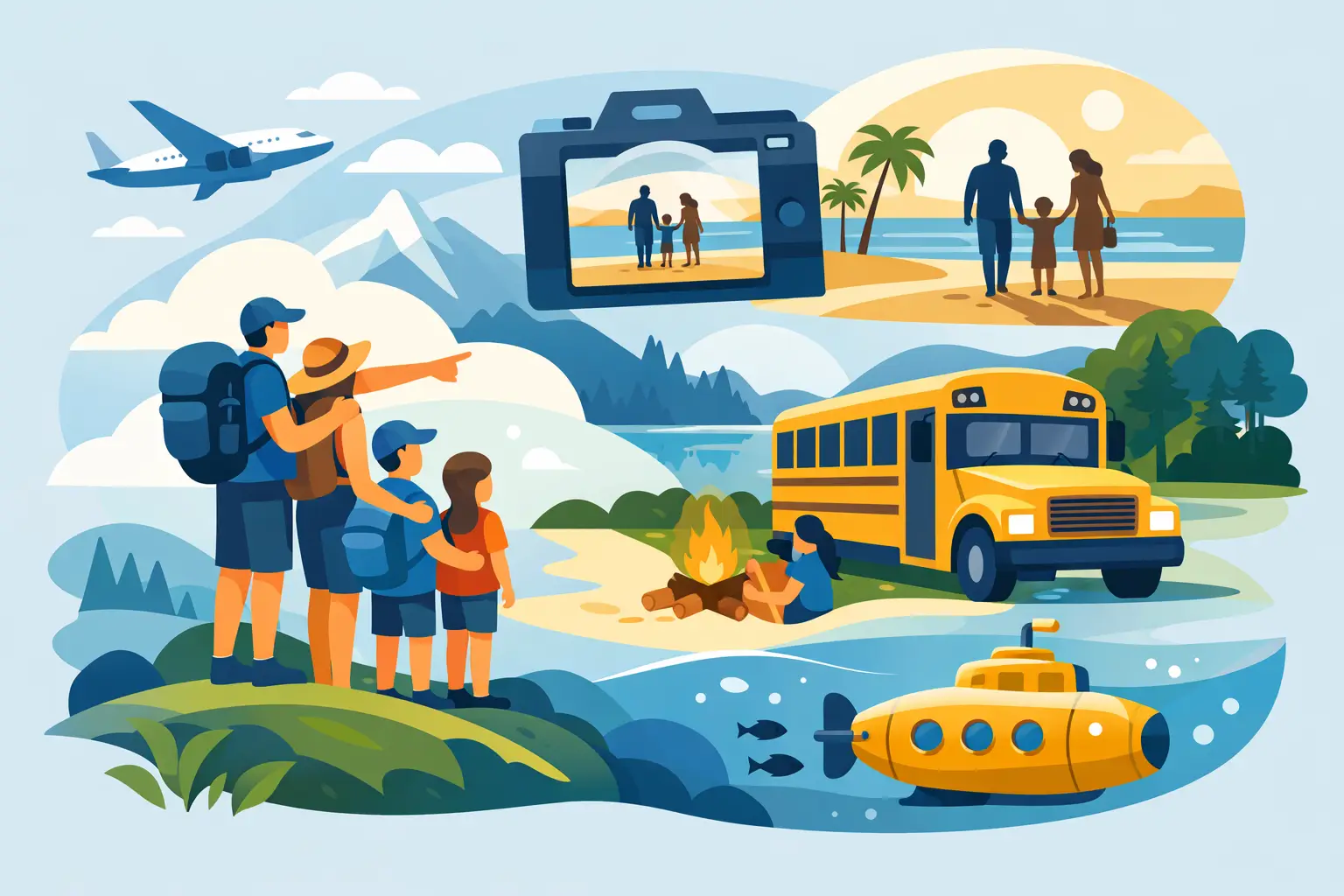
The photo you frame probably will not be the perfectly posed one. It will be your youngest in wellies three sizes too big, someone laughing so hard they snort at breakfast, or the family dog refusing to leave the warm spot by the fire. That is the real secret of how to create family travel memories: give everyone something to feel, not just something to see.
A brilliant family break is not measured by how many attractions you manage to squeeze into 48 hours. It is measured by the stories that reappear at the dinner table months later. The ones that begin with, “Do you remember when…?” and end with everyone talking over one another.
Start with a stay that has a personality
If the accommodation is merely a place to collapse after a frantic day out, it is doing only half the job. For families, where you stay can become the main event. A characterful place gives children permission to imagine, adults permission to switch off, and everyone an immediate shared story.
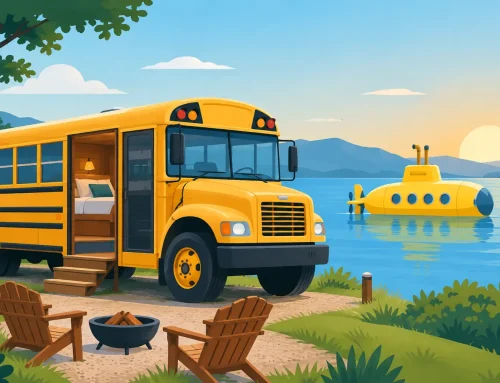
Think beyond the standard beige holiday rental. A converted bus, a brightly coloured cabin, a woodland hideaway or somewhere with a delightfully daft theme can make arrival feel like the first chapter of an adventure. Children do not need much encouragement to turn a bunk bed into a spaceship command centre, but a stay with genuine character gives them glorious material to work with.
That is why an American School Bus Glamping break is not about pretending you are roughing it. It is about sleeping somewhere with more tales to tell than a standard tent or caravan, while keeping the creature comforts firmly intact. Comfort matters, especially after a muddy walk, a beach day or a spirited family debate over who gets the top bunk.
How to create family travel memories without overplanning
A packed itinerary can look impressive on paper. In practice, it can turn a holiday into a military operation involving snack negotiations, missed turnings and at least one person declaring they need a sit-down immediately.
Leave space. Not empty, dull space, but the kind that lets the good stuff happen. Allow time for an unplanned ice cream, a game of cards when the rain arrives, an extra lap around the campsite on a scooter, or a slow morning in pyjamas. These unscheduled pockets often become the moments people remember most vividly because nobody was trying too hard to manufacture them.
This does not mean abandoning all plans. For younger children, one main activity a day is often plenty. For teens, the sweet spot may be a mix of choice and freedom: a coastal walk followed by an hour to disappear into their headphones, perhaps. For multi-generational groups, choose an outing with an easy opt-out, so nobody has to conquer a cliff path just because Uncle Dave is feeling energetic.
The goal is not to tick every local attraction off a list. It is to return home feeling like you had a holiday, rather than surviving a colourful logistical spreadsheet.
Let each person choose one thing
Give every family member one small say in the break. One person picks the breakfast pastries, another chooses the walk, someone else decides the evening game or film. Even tiny choices help children feel involved, while adults avoid becoming full-time cruise directors.
There may be clashes. One child wants the beach, another wants a farm park, and somebody would rather spend the afternoon in a hot tub doing absolutely nothing. Fine. Take turns, compromise, and make peace with the fact that no family holiday is a perfectly choreographed montage. A little disagreement is normal. It is also usually forgotten by the time the toasted marshmallows appear.
Build tiny rituals into the trip
Traditions are memory glue. They do not need to be expensive, elaborate or worthy of a scrapbook influencer with unlimited free time. They just need to happen more than once.
Perhaps everybody chooses a ridiculous holiday nickname on arrival. Maybe there is a nightly vote for the day’s funniest moment, or a rule that one person picks the breakfast music each morning. You could take one photo in the same spot every day, collect a pebble from each walk, or keep a communal notebook where everyone adds a sentence before bed.
The best rituals suit your family, not somebody else’s feed. If your lot would rather battle over Uno than journal feelings by lantern light, play Uno. If a sunset hot chocolate is the thing that gets everyone off their screens, make it the official ritual. Repetition turns an ordinary activity into something that belongs to your family alone.
Put mobile phones to work, then put them away
Photos and videos are wonderful, but there is a fine line between capturing a moment and supervising one from behind a screen. You do not need 74 versions of the same canoe shot, especially if nobody can remember the actual canoe ride because they were being told to smile into the sun.
Try a simple family rule: take a few photos at the start of an activity, then put mobile phones away until the end. Let the children take some pictures too. Their angles may be chaotic, their timing questionable, and their gallery full of close-ups of crumbs, but you will see the trip through their eyes. That is worth more than another polished group portrait.
For a low-effort keepsake, choose your favourite ten photos once you are home and print them. Add captions in everyone’s handwriting. A physical album gets pulled out. A camera roll, however beloved, is far more likely to vanish beneath 3,000 screenshots and a blurry photo of the weekly shop.
Choose shared challenges, not just shared scenery
Beautiful views are lovely. Shared effort is often even better. A family remembers the hill they climbed, the den they built, the pizza they attempted to cook on a campfire, and the sudden downpour that turned a gentle stroll into a soggy expedition.
The challenge should be pitched right. A six-mile hike with a tired four-year-old is not character-building. It is an argument with snacks. But a short trail with a treasure hunt, a wildlife-spotting mission or a reward at the end can feel enormous to little legs. Older children may enjoy a paddleboarding session, a bike route or being trusted to lead the map-reading, even if the map-reading produces a scenic detour.
What matters is that everyone has a role. One carries the flask, one spots landmarks, one is in charge of biscuits. Shared missions create a little team spirit, and team spirit is much more memorable than everyone wandering about separately while pretending not to be hungry.
Make room for the wonderfully imperfect bits
The most enduring travel memories are rarely the flawless ones. They are the moments with a bit of chaos around the edges: the rainstorm that forced everyone indoors, the barbecue that took twice as long as expected, the bedtime that drifted because nobody wanted the evening to end.
Trying to fix every wobble can drain the fun out of a family break. Sometimes the best move is to change the plan, laugh at the weather and declare an indoor picnic. If a child is overwhelmed, skip the outing. If everyone is tired, choose the easy supper and an early night. Holidays do not need to be performed.
There is a trade-off, of course. Spontaneity feels easier when you have chosen a base that is comfortable, welcoming and interesting enough to enjoy even when plans change. A place with room to play, cosy corners to retreat to and a few treats on hand can rescue a drizzly afternoon beautifully.
Give the last day a proper ending
Do not let the break fizzle out in a frantic hunt for missing socks. Before you leave, take ten quiet minutes for a final lap, a last group photo or a favourite breakfast. Ask everyone for their best bit, their funniest bit and what they would do again next time.
You may not get profound answers. You may get “the bunk bed”, “when Mum dropped her flip-flop in the mud”, or “sausages”. Excellent. Those are the details that make a trip yours.
The holidays that stay with families are not necessarily the grandest or the most expensive. They are the ones where people had time to be silly, curious and properly together. Choose somewhere that sparks a little wonder, leave room for the unexpected, and let the story get wonderfully messy from there.