
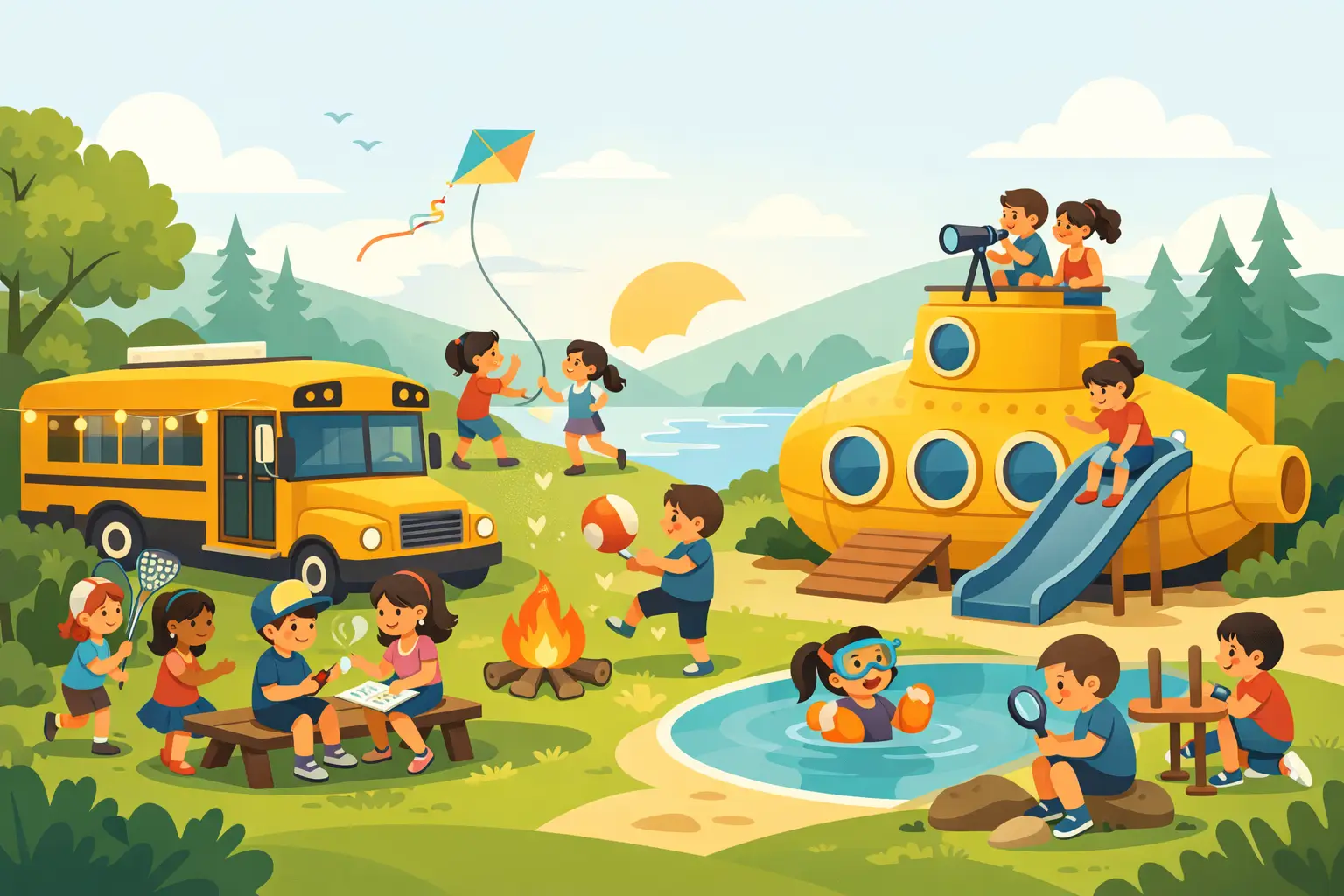
Figuring out how to entertain children glamping need not mean packing half the playroom, planning every minute or pretending you know how to whittle a spoon. The magic is already there: sleeping somewhere wildly more exciting than home, waking up with fresh air in their lungs and having permission to get a little bit grubby before tea. Give children a few good prompts, a bit of freedom and a cosy base camp, and they will usually take it from there.
A brilliant family glamping break has a different rhythm from a normal weekend. There is less rushing, more noticing and just enough organised mischief to stop anyone declaring boredom before breakfast. Here are nine ways to keep the small people happily occupied while leaving room for the sort of spontaneous moments they will talk about all the way home.
1. Make the accommodation part of the game
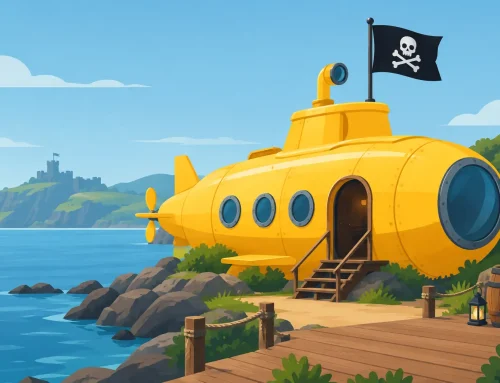
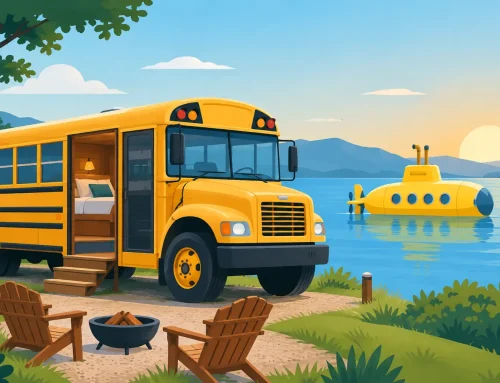
When your glamping spot has character, do not treat it as somewhere to dump bags between activities. Turn it into the opening chapter of the holiday. A converted American school bus can become a cross-country expedition, a secret band tour bus or a mission to find the world’s best hot chocolate. A Yellow Submarine is obviously on an underwater assignment. The children are unlikely to need much encouragement.
Give them a simple arrival challenge: pick a name for their crew, design a paper ticket, choose a captain and decide where the vehicle has supposedly travelled from. It takes ten minutes, costs next to nothing and makes the space feel like theirs. At American School Bus Glamping, the accommodation is not the boring bit before the fun – it is the first very loud, yellow, wonderfully bonkers activity.
2. Send them on a nature treasure hunt
A treasure hunt is one of the easiest answers to how to entertain children while glamping because it works for toddlers, primary-aged explorers and screen-weary teens with a competitive streak. Keep it loose rather than turning the woods into a military exercise. Ask them to find something smooth, something that smells interesting, a feather, three shades of green, a tiny creature and the best stick in Somerset or Devon.
For younger children, draw pictures instead of writing clues. Older ones can photograph their finds or make a scorecard. The ground rules matter: look closely, leave living things where they are, and admire rather than collect anything you cannot identify. That includes fungi, however delightfully peculiar it looks.
3. Build a den, then give it a purpose
Most children can spot a den-building opportunity from fifty paces. A few fallen sticks, a blanket and a patch of grass can become headquarters with alarming speed. If the site permits it and you are using safe, suitable materials, let them build a small hideout together.
The trick is to give the den a job. Perhaps it is a wildlife-watching post, a café serving imaginary mud pies, or a secret meeting point before the evening torch walk. Children who are not naturally drawn to crafts often enjoy construction because there is a practical result. Do keep it low, stable and supervised – nobody needs a holiday A&E story involving an ambitious roof.
4. Pack a tiny adventure kit, not a mountain of toys
The more toys you bring, the more you become the holiday luggage mule. A small adventure kit gives children options without swallowing the bus, tent or cabin whole. Think binoculars, a magnifying glass, colouring pencils, a notebook, a pack of cards, a frisbee and a torch each.
A notebook turns a walk into an expedition journal. Cards rescue the lull between dinner and bedtime. Torches transform the same familiar path into an after-dark adventure. If you are travelling with mixed ages, choose things they can use together rather than one complicated game with a hundred tiny pieces destined for the grass.
5. Give evenings their own little rituals
The best glamping memories often happen after the day out is over, when everyone has changed into warm layers and the pace finally drops. Create a ritual that only belongs to this break. It might be hot chocolate on the steps, a family card tournament, a chapter of a book read aloud or a vote for the funniest thing that happened that day.
Campfire treats are a winner where they are allowed and safely managed, but they are not essential. A tray of snacks, a blanket and a ridiculous round of charades can do the job nicely. The point is not elaborate entertainment. It is making bedtime feel like part of the adventure rather than the bit that gets in the way.
6. Plan one proper outdoor challenge
Children love a mission, especially when the prize is choosing the pudding or getting first pick of the top bunk. Set a family challenge that gets everyone moving: complete a muddy mini-obstacle course, race leaves along a stream, see who can identify the most bird calls, or walk a route where each person leads for five minutes.
Match the challenge to the weather and the children in front of you. A high-energy seven-year-old may adore a scavenger race; a tired toddler may be much happier posting pinecones into a bucket. The aim is shared laughter, not elite athletic performance. If a grown-up slips in a puddle, that is simply excellent entertainment value.
7. Keep a rainy-day plan that still feels special
Rain is not a glamping failure. This is Britain, after all, and a good puddle has never harmed a properly waterproofed child. But it helps to have an indoor fallback before the heavens open. Save a few activities for that moment: travel games, sticker books, drawing prompts, a family quiz or a film downloaded in advance for a cosy afternoon.
Try a weather-themed challenge rather than apologising for the drizzle. Can everyone make the most dramatic rain sound? Who can spot five shiny things outside? Can the children invent a forecast for tomorrow involving sunshine, frogs and a 90 per cent chance of biscuits? Rain changes the mood, but it can make the accommodation feel even cosier.
8. Let children help with the grown-up jobs
Holiday jobs are much more exciting than home jobs when they involve lanterns, marshmallows or deciding where to eat breakfast. Give children an age-appropriate role: laying the table, choosing walking snacks, checking everyone has a coat, filling water bottles or helping prepare simple meals.
This is not a sneaky way to outsource the washing-up. It gives them ownership of the trip and breaks up the waiting around that often causes grumbles. A child who has been appointed Chief Breakfast Officer tends to be remarkably interested in getting dressed.
9. Leave space for doing absolutely nothing
Parents sometimes feel they must manufacture magic every hour because the break is short. Resist it. A glamping holiday is one of the rare chances for children to lie on the grass, make up a strange game, read in a bunk or spend forty minutes fascinated by an ant carrying a crumb three times its size.
Keep one main plan for the day, then let the gaps breathe. Too many bookings, long drives and strict schedules can make an escape feel suspiciously like term time with better views. A distinctive place to stay, a bit of weather and a few open-ended ideas are usually more than enough.
Pack the wellies, charge the torch and let the children lead part of the adventure. The muddy socks will wash. The story about the night they slept in a school bus or sailed an imaginary submarine will be considerably harder to forget.