

A bell tent with fairy lights can look rather lovely on a booking page. But how to choose glamping is less about finding the prettiest photo and more about picking the sort of stay that will make everyone in your group say, “Can we do that again?” You want comfort without the campsite admin, character without cramped quarters, and enough fun to make the journey worthwhile.
The good news is that glamping comes in gloriously different forms. Safari tents, shepherd’s huts, cabins, treehouses, pods, converted vehicles and the occasional bright-yellow submarine all offer something different. The trick is knowing which details turn a quirky overnight stay into a proper memory-making mini break.
Start with the feeling you want from the break
Before comparing prices, decide what you would like the holiday to feel like. A couple after a quiet, candlelit escape will judge a stay differently from parents travelling with excitable children or a group of mates who fancy a weekend of stories, snacks and ridiculous photographs.
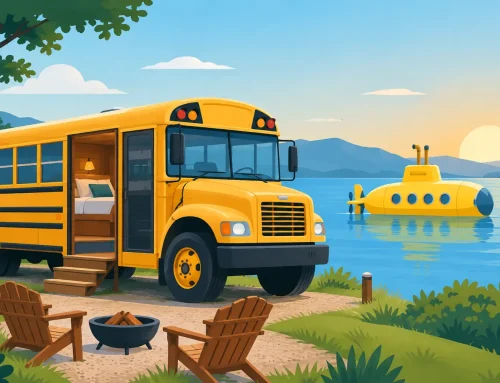
If peace and privacy sit at the top of your list, look for a standalone unit, a private outdoor area and grown-up extras such as a hot tub, sauna or fire pit. If you are bringing children, the accommodation itself should give them something to explore and talk about. A standard pod may be perfectly practical, but it is unlikely to cause the same squeals as sleeping in a converted American school bus.
For friendship groups, think about the shared bits. Is there space to sit together when the British weather performs one of its classic plot twists? Are there places to eat, play cards, make breakfast and have a proper natter rather than taking turns to perch on the edge of a bed? The best group glamping stays feel social without making anyone feel squashed.
How to choose glamping by comfort, not clever photos
A beautiful image is a fine starting point. It is not a floor plan, a mattress review or a guarantee that the loo is nearby at 2am. Look beyond the headline pictures and check exactly how the place works in real life.
Start with sleeping arrangements. “Sleeps six” can mean six people sleeping comfortably, or it can mean two adults in a bed and four people playing a game of human Tetris on sofa beds. Check the number and type of beds, whether bedding is included, and whether the layout suits your group. Families with older children may appreciate separate sleeping zones, while couples may value a room that feels cosy rather than cavernous.
Then inspect the practical essentials: heating, electricity, cooking facilities, refrigeration and bathroom access. Glamping should involve waking to birdsong, not discovering that your phone is flat, your milk is warm and the nearest toilet requires a torchlight expedition through a muddy field.
Shared facilities are not automatically a downside. A well-kept communal shower block, kitchen space or games area can add a friendly campsite buzz and free up room inside your accommodation. It depends on your appetite for privacy and who you are travelling with. For a first family glamping trip, clear, convenient facilities often matter more than having a fancy tap indoors.
Choose accommodation with a story
The most memorable stays are not merely places to sleep. They become part of the holiday. That matters particularly if you have ever booked a perfectly nice cottage, taken three photos of the view, and then struggled to remember much else six months later.
Ask yourself one simple question: would this accommodation still be exciting if it rained for an afternoon? If the answer is yes, you are onto something. A themed space, unusual conversion or brilliantly playful design gives the whole break a sense of occasion. Children get an adventure. Couples get a setting that feels less predictable than another hotel room. Groups get a conversation starter before anyone has even unpacked the crisps.
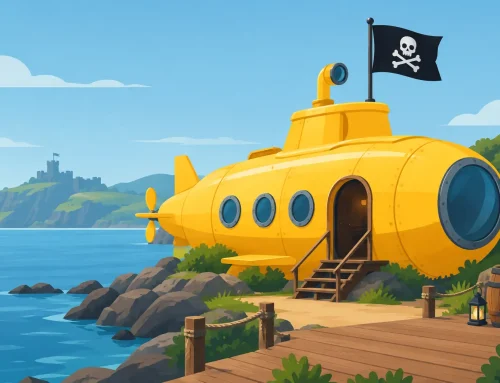
This is where personality beats polish. A stay does not need marble worktops and a whispering concierge to feel special. It needs character, comfort and enough thoughtful detail to make you feel you have stepped out of everyday life. At American School Bus Glamping, for example, the accommodation is not an afterthought between days out – it is the headline act, with converted school buses and a Yellow Submarine made for big grins and even bigger photo albums.
Check the outdoors as carefully as the indoors
Glamping is partly about being outside without having to wrestle with tent poles. So check what your outdoor space actually offers. A private deck, seating area, barbecue, fire pit or hot tub can transform a one-night stop into a stay you want to linger in.
For families, look for safe places to roam, play and burn off the energy that somehow survives a long car journey. For couples, think about whether you can enjoy a morning coffee or an evening drink without being overlooked. For groups, enough outdoor seating is a small detail with enormous consequences. Nobody dreams of a sunny Somerset evening spent balancing a plate on their knee beside a wheelie bin.
Wellness add-ons deserve a closer look too. A hot tub sounds fabulous, naturally, but check whether it is private, available throughout your stay and included in the price. Saunas and ice baths can make a break feel deliciously indulgent, especially for a celebration weekend or a reset with friends. They are not essential for everyone, though. If your main mission is muddy walks, beach days and early nights with the kids, spending more on an outdoor tub you barely use may not be the cleverest choice.
Put location in the context of your actual plans
A stunning site can be wonderfully remote. It can also be 40 minutes from the supermarket, a long drive from the beach and rather inconvenient when someone has forgotten toothpaste. Neither is wrong, but it should match your plans.
If you want to explore Somerset or Devon, look at journey times to the places you genuinely want to visit, rather than relying on broad descriptions such as “close to local attractions”. Consider beaches, family days out, country walks, pubs, farm shops and rainy-day options. A little bit of planning gives you freedom when you arrive.
Also check the final stretch of the journey. Narrow country lanes are part of rural Britain’s charm until you meet a tractor coming the other way in the dark. Arrival instructions, parking arrangements and check-in times are unglamorous details, but they help the holiday begin with excitement rather than low-level bickering from the driver’s seat.
Read reviews for the details nobody advertises
Guest reviews are where you discover whether “cosy” means charmingly snug or unexpectedly tiny. Read recent comments and look for repeated themes: cleanliness, host communication, comfortable beds, child-friendliness, noise levels and whether the site feels as good as the photographs suggest.
Pay attention to the reviewers who sound like you. A couple celebrating an anniversary will notice different things from a family with a toddler, and a gang of friends may care more about communal space than proximity to a baby-changing area. One grumble does not mean disaster, especially if it concerns something that would not bother you. Ten people praising the beds, atmosphere and thoughtful touches is a far more useful signal.
Be honest about your group’s non-negotiables
The easiest way to choose well is to agree on the things that cannot be compromised. For one group, that may be an enclosed outdoor space for children. For another, it is a dog-friendly stay, step-free access, a proper kitchen or a hot tub. For someone else, it is simply a bathroom close enough that no one has to put on wellies after dark.
Do not let the most dazzling feature distract you from a practical mismatch. A treehouse may look magical, but not if one guest hates heights. A remote safari tent may sound romantic, but perhaps not with a baby who wakes every two hours. The right glamping stay is not the fanciest or most unusual option on the page. It is the one that suits the people actually climbing into the car.
Choose a place with a little bit of theatre, plenty of comfort and room for your favourite people to be themselves. Then pack the snacks, claim the best bunk and let the ordinary weekend have the day off.